The convergence of human intelligence and artificial intelligence represents one of the most transformative opportunities of our era, promising unprecedented levels of productivity and creative breakthroughs.

🚀 The Dawn of Collaborative Intelligence
We stand at a pivotal moment in technological history where the relationship between humans and AI is evolving from simple tool usage to genuine collaboration. This partnership isn’t about replacement—it’s about amplification. When human creativity, emotional intelligence, and strategic thinking combine with AI’s computational power, pattern recognition, and tireless processing capabilities, the results transcend what either could achieve alone.
Organizations worldwide are discovering that the most successful implementations of AI don’t eliminate human involvement but rather enhance it. The companies leading their industries aren’t choosing between human workers and artificial intelligence; they’re architecting systems where both work in concert, each compensating for the other’s limitations while amplifying their respective strengths.
Understanding the Symbiotic Relationship
Human-AI collaboration models function best when we recognize the distinct advantages each partner brings to the table. Humans excel at contextual understanding, ethical reasoning, creative problem-solving, and navigating ambiguous situations. We possess emotional intelligence, cultural awareness, and the ability to make judgment calls based on nuanced, incomplete information.
Artificial intelligence, conversely, processes vast datasets at speeds incomprehensible to human cognition. It identifies patterns across millions of data points, performs repetitive tasks without fatigue, and maintains consistency in execution. AI systems excel at optimization, prediction based on historical data, and handling complexity through computational brute force.
The magic happens in the intersection. When humans set strategic direction and AI executes tactical operations, when AI surfaces insights and humans interpret their significance, when machines handle data processing and people focus on relationship building—this is where innovation accelerates and efficiency multiplies.
🎯 Strategic Frameworks for Implementation
Successful human-AI collaboration requires intentional design. Organizations must move beyond ad-hoc adoption toward systematic integration that considers workflow, culture, and capability development.
The Augmentation Framework
The augmentation approach positions AI as an enhancement to human capabilities rather than a substitute. In customer service, for instance, AI chatbots handle routine inquiries while human agents tackle complex emotional situations requiring empathy and creative problem-solving. The AI learns from human interactions, becoming more effective over time, while humans are freed to do work that genuinely requires their unique capabilities.
In creative industries, designers use AI tools to rapidly generate variations and explore possibilities, but human aesthetic judgment, brand understanding, and cultural sensitivity guide final decisions. The AI expands the creative palette; the human provides vision and refinement.
The Decision Support Model
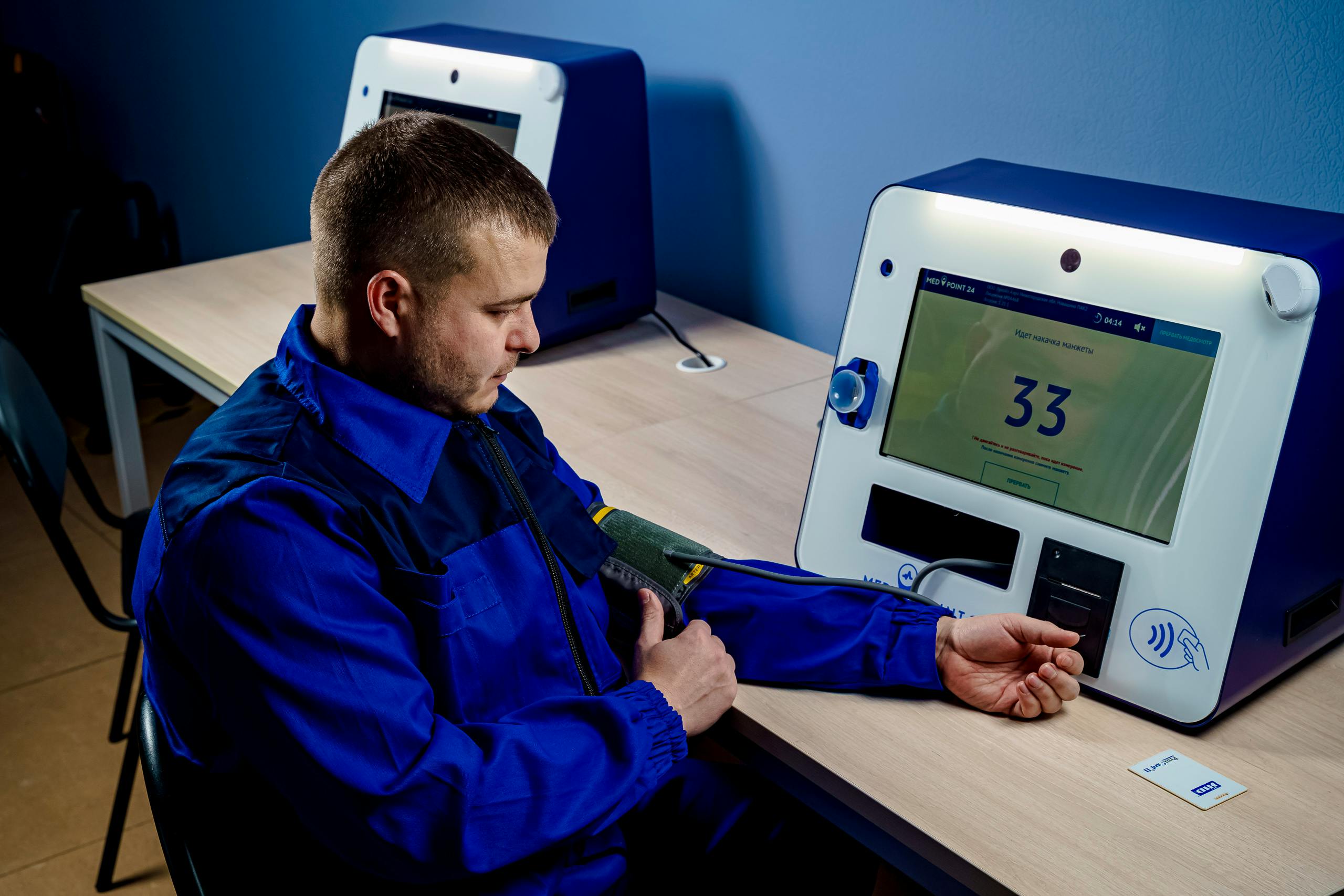
Here, AI functions as an intelligence layer that informs human decision-making. Medical diagnostics exemplify this model brilliantly. AI systems analyze medical images, patient histories, and research literature to identify patterns and suggest diagnoses. However, physicians make final determinations, considering factors the AI cannot fully grasp—patient preferences, quality of life considerations, and treatment feasibility within specific contexts.
Financial institutions employ similar models where AI algorithms analyze market data and identify opportunities or risks, but human traders and analysts incorporate geopolitical understanding, sentiment, and strategic considerations before executing decisions.
The Collaborative Creation Approach
This model involves genuine back-and-forth between human and AI throughout a creative or analytical process. Software development increasingly follows this pattern, with AI suggesting code completions, identifying potential bugs, and even writing entire functions based on human descriptions, while developers provide architectural vision, optimize for maintainability, and ensure alignment with broader system goals.
Research and development teams use AI to simulate experiments, model outcomes, and analyze results, engaging in an iterative dialogue where human questions prompt AI analysis, which generates new human insights, leading to refined AI investigations.
💡 Real-World Applications Driving Innovation
The theoretical benefits of human-AI collaboration manifest powerfully in practical applications across industries. These real-world examples demonstrate not just efficiency gains but genuine innovation that neither humans nor AI could achieve independently.
Healthcare Revolution
Hospitals implementing AI-assisted diagnostics report not just faster diagnoses but more accurate ones. The combination of AI’s pattern recognition across millions of cases and physicians’ clinical experience with individual patients creates diagnostic accuracy exceeding either alone. Radiologists using AI assistance detect subtle anomalies they might otherwise miss, while their expertise prevents false positives the AI might flag.
Drug discovery has accelerated dramatically through collaboration. AI systems identify promising molecular compounds by analyzing chemical properties and biological interactions at scale, but human researchers apply biological understanding and experimental design to validate and refine these candidates. What once took decades now happens in years.
Manufacturing Excellence
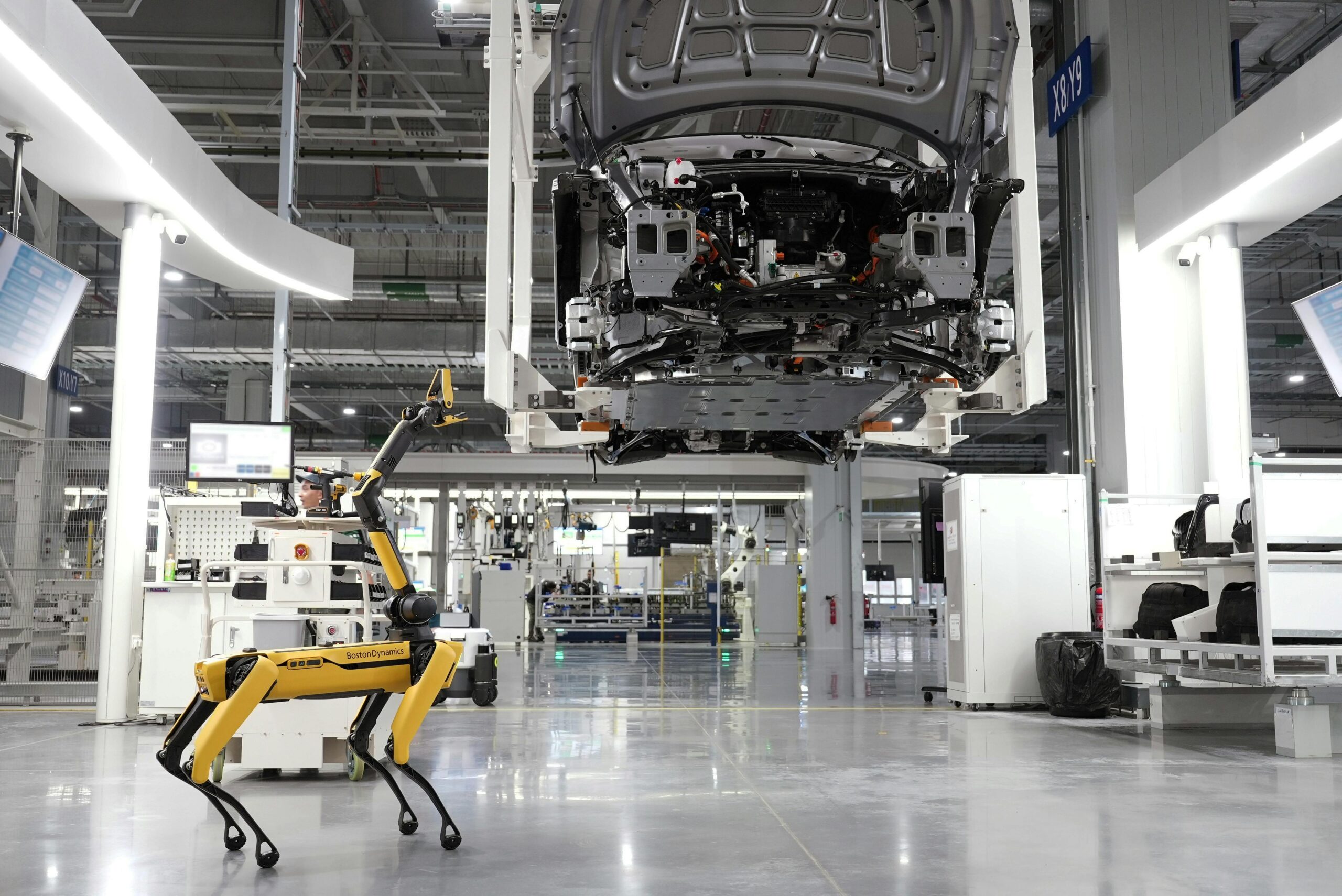
Smart factories exemplify operational efficiency through collaboration. AI systems monitor equipment performance, predict maintenance needs, and optimize production schedules in real-time. Human operators and engineers interpret these insights within broader operational contexts, make judgment calls during unexpected situations, and continuously refine the AI’s parameters based on ground-level understanding.
Quality control processes combine machine vision AI that inspects products with microsecond precision and human judgment that assesses subjective quality factors and makes contextual decisions about acceptable tolerances based on customer requirements and market conditions.
Creative Industries Transformation
Content creation has evolved into a collaborative process where AI tools assist with ideation, draft generation, and variation exploration, while human creators provide strategic direction, emotional resonance, and cultural relevance. Marketing teams use AI to analyze performance data and audience segments, then craft campaigns that speak authentically to human experiences and aspirations.
In film and music production, AI handles technical tasks like color grading variations, sound mixing options, and even generating musical phrases, while human artists make aesthetic choices, ensure emotional impact, and maintain creative vision throughout the project.
🔧 Building Effective Collaboration Infrastructure
Technical implementation is only part of the equation. Successful human-AI collaboration requires careful attention to systems, processes, and culture.
Data Architecture and Integration
Effective collaboration demands robust data infrastructure. AI systems require access to relevant, clean, well-organized data to provide meaningful assistance. Organizations must invest in data governance, ensuring information flows efficiently between human workflows and AI systems while maintaining security and privacy standards.
Integration points must be thoughtfully designed so AI assistance appears naturally within human workflows rather than requiring disruptive context-switching. The best implementations feel seamless, with AI insights surfacing at precisely the moments they’re most valuable.
Interface Design and User Experience
The interface between human and AI significantly impacts collaboration effectiveness. Systems must present AI insights in comprehensible, actionable formats. Overly complex outputs overwhelm users; oversimplified results lack necessary nuance. Striking this balance requires deep understanding of user needs and iterative refinement based on actual usage patterns.
Transparency matters tremendously. Users need to understand how AI reaches conclusions to appropriately trust and act on its recommendations. Explainable AI isn’t just a technical consideration—it’s fundamental to effective collaboration.
Training and Capability Development
Organizations must invest in developing human capabilities for AI collaboration. This goes beyond basic technical training to include critical evaluation of AI outputs, understanding algorithmic limitations, and developing judgment about when to rely on AI assistance versus human intuition.
Equally important is creating feedback loops where human expertise improves AI performance. Systems should learn from user corrections, refinements, and preferences, becoming increasingly aligned with organizational needs over time.
⚡ Overcoming Implementation Challenges
Despite tremendous potential, organizations face real obstacles in establishing effective human-AI collaboration. Acknowledging and addressing these challenges directly increases success likelihood.
Cultural Resistance and Change Management
Many employees view AI with suspicion, fearing replacement or diminished value. Successful implementations reframe AI as a tool that makes work more interesting by eliminating tedious tasks and enabling focus on high-value activities. Transparent communication about AI’s role, involving employees in implementation decisions, and demonstrating genuine benefits builds acceptance.
Leadership must model collaborative behavior, using AI tools themselves and sharing how these enhance rather than replace their judgment. When teams see AI as genuinely helpful rather than threatening, adoption accelerates.
Trust and Validation
Establishing appropriate trust levels challenges many implementations. Over-reliance on AI outputs without critical evaluation leads to errors; excessive skepticism negates potential benefits. Organizations need frameworks for validating AI recommendations, clear guidelines about when human review is required, and ongoing accuracy monitoring.
Building trust requires consistent AI performance, transparent operation, and graceful handling of edge cases. When AI acknowledges uncertainty or flags situations requiring human judgment, it builds credibility for situations where it expresses confidence.
Ethical Considerations and Bias
AI systems reflect biases present in training data and design choices. Human-AI collaboration must include vigilance about fairness, representation, and ethical implications. Diverse teams bringing varied perspectives to AI development and deployment help identify potential issues before they cause harm.
Ethical frameworks should guide collaboration models, with humans maintaining ultimate accountability for decisions, especially those significantly impacting people’s lives. AI can inform and analyze, but humans must own outcomes.
📈 Measuring Success and Continuous Improvement
Effective human-AI collaboration requires ongoing assessment and refinement. Organizations should track both quantitative metrics and qualitative indicators of success.
Productivity metrics reveal efficiency gains—tasks completed faster, higher output volumes, reduced error rates. But equally important are quality measures: innovation rates, customer satisfaction, employee engagement, and problem-solving effectiveness. The goal isn’t just doing more but doing better.
User satisfaction metrics indicate whether collaboration feels natural and helpful or frustrating and disruptive. Regular feedback from people actually using AI tools provides invaluable insights for improvement. What features do they rely on? Where does AI assistance fall short? What capabilities would most enhance their work?
Organizations should establish regular review cycles examining collaboration effectiveness, identifying optimization opportunities, and adapting to changing needs. AI capabilities evolve rapidly; collaboration models must evolve accordingly.
🌟 The Future Landscape of Collaboration
As AI capabilities advance and organizational experience deepens, collaboration models will become increasingly sophisticated. We’re moving toward AI that better understands context, communicates more naturally, and adapts more fluidly to individual working styles.
Natural language interfaces will make AI collaboration accessible to more people across more roles. Rather than requiring technical expertise, interacting with AI will feel like consulting a knowledgeable colleague. This democratization of AI access promises to unlock creativity and productivity across entire organizations.
Personalization will increase, with AI systems learning individual preferences, communication styles, and decision-making patterns. Rather than one-size-fits-all tools, we’ll see AI that adapts to each user, providing customized assistance that complements their unique strengths and compensates for their specific challenges.
Multi-modal collaboration will emerge, combining text, voice, visual, and other interaction methods. Professionals will seamlessly shift between communication modes as context demands, with AI maintaining continuity and understanding throughout.
🎓 Building Organizational Readiness
Organizations positioning themselves for effective human-AI collaboration must develop several foundational capabilities. Strategic vision that articulates how AI fits within broader organizational goals provides essential direction. This vision should emphasize enhancement rather than replacement, clarifying how collaboration will improve outcomes while maintaining human centrality in decision-making.
Investment in infrastructure—technical, organizational, and cultural—creates the foundation for successful implementation. This includes data systems, integration platforms, training programs, and change management initiatives. Skimping on foundational work leads to fragmented, underperforming implementations.
Experimentation culture allows organizations to try different collaboration approaches, learn from successes and failures, and iteratively improve. Rather than seeking perfect implementations from the start, successful organizations embrace learning processes, scaling what works and adjusting what doesn’t.
Partnership mindset extends beyond internal human-AI collaboration to include external partnerships with AI vendors, research institutions, and industry consortia. No organization can master this rapidly evolving field alone. Collaborative learning and shared development accelerate progress for all participants.

Unleashing True Potential Through Partnership
The promise of human-AI collaboration extends far beyond incremental efficiency improvements. When implemented thoughtfully, these partnerships unlock genuinely new capabilities—solving previously intractable problems, discovering unexpected innovations, and achieving outcomes impossible through either human or artificial intelligence alone.
Success requires viewing AI not as a technology to be deployed but as a collaborator to be integrated into organizational fabric. This means designing workflows that leverage complementary strengths, building cultures that embrace augmentation, developing capabilities for effective partnership, and maintaining ethical frameworks ensuring technology serves human values.
Organizations investing in this future—not just technologically but culturally and strategically—position themselves for remarkable competitive advantage. They’ll work faster, innovate more boldly, solve problems more effectively, and create value more consistently than competitors clinging to purely human or simplistically automated approaches.
The future belongs not to organizations that choose humans over AI or AI over humans, but to those that master the art and science of bringing both together in powerful collaboration. This is where efficiency meets innovation, where computation meets creativity, and where the true potential of both human and artificial intelligence finally gets unleashed. The question isn’t whether to embrace human-AI collaboration but how quickly and effectively organizations can build these capabilities before their competitors do.