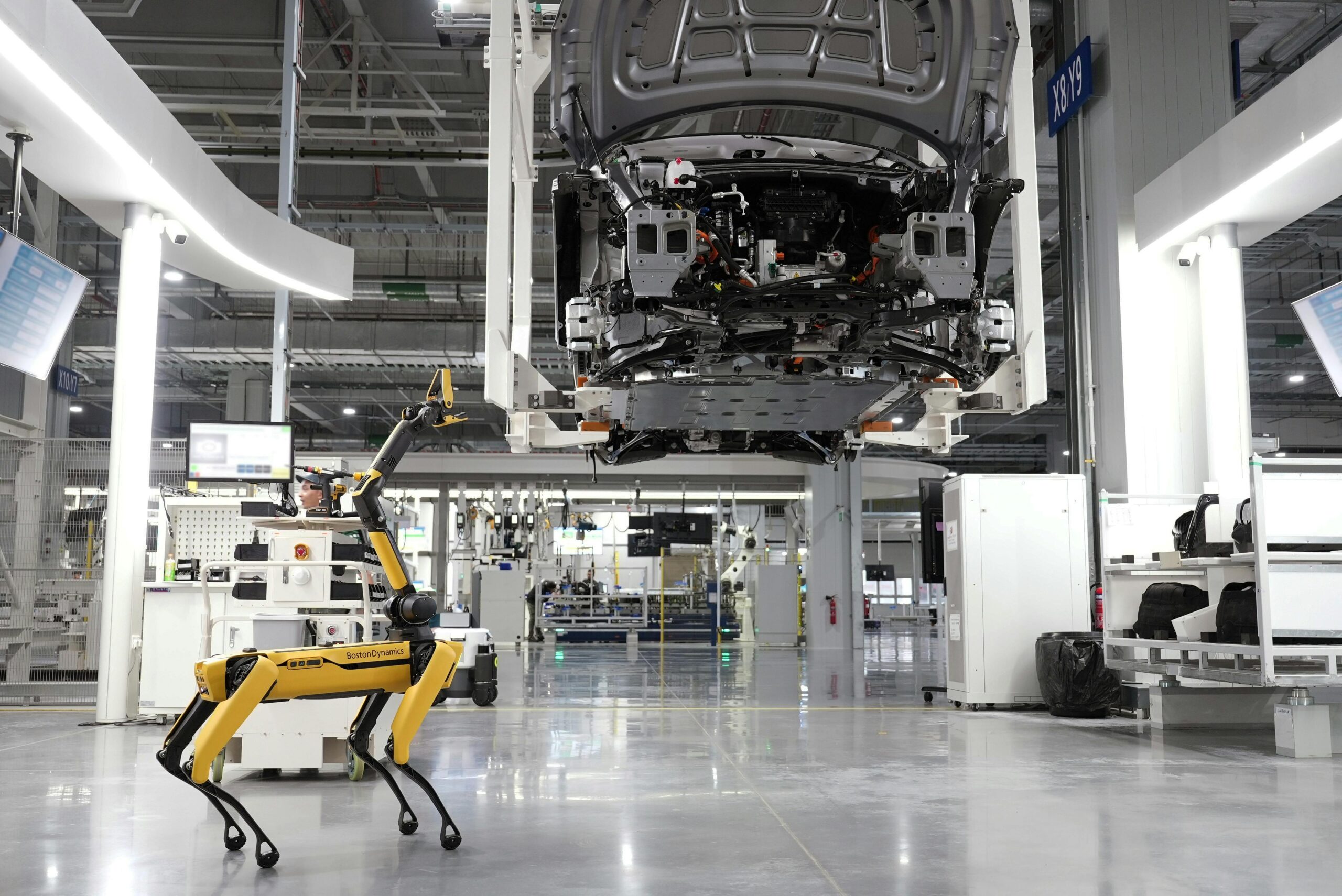
Healthcare automation is transforming medical facilities worldwide, enabling faster diagnoses, reducing human error, and giving healthcare professionals more time to focus on what truly matters: patient care.

🏥 The Dawn of a New Healthcare Era
The healthcare industry stands at a pivotal crossroads. With aging populations, increasing chronic disease prevalence, and growing demand for medical services, traditional healthcare delivery models are struggling to keep pace. Healthcare automation emerges not as a luxury, but as an essential solution to these mounting challenges. By integrating intelligent systems, artificial intelligence, and streamlined workflows, medical institutions are discovering unprecedented opportunities to enhance both operational efficiency and patient outcomes.
Automation in healthcare encompasses far more than simple digitization. It represents a fundamental reimagining of how medical services are delivered, documented, and optimized. From administrative tasks that once consumed hours of staff time to complex diagnostic procedures requiring meticulous attention, automation touches virtually every aspect of modern healthcare delivery.
Understanding Healthcare Automation: Beyond the Buzzwords
Healthcare automation refers to the use of technology to perform tasks with minimal human intervention, improving efficiency, accuracy, and consistency across healthcare operations. This spans a remarkable range of applications, from robotic process automation handling repetitive administrative tasks to sophisticated AI algorithms analyzing medical imaging for potential abnormalities.
The scope of healthcare automation includes:
- Electronic Health Records (EHR) systems that streamline documentation and information sharing
- Automated appointment scheduling and patient communication platforms
- AI-powered diagnostic tools that assist clinicians in identifying diseases
- Robotic surgical systems enabling precision procedures
- Automated medication dispensing systems reducing prescription errors
- Billing and claims processing automation eliminating manual data entry
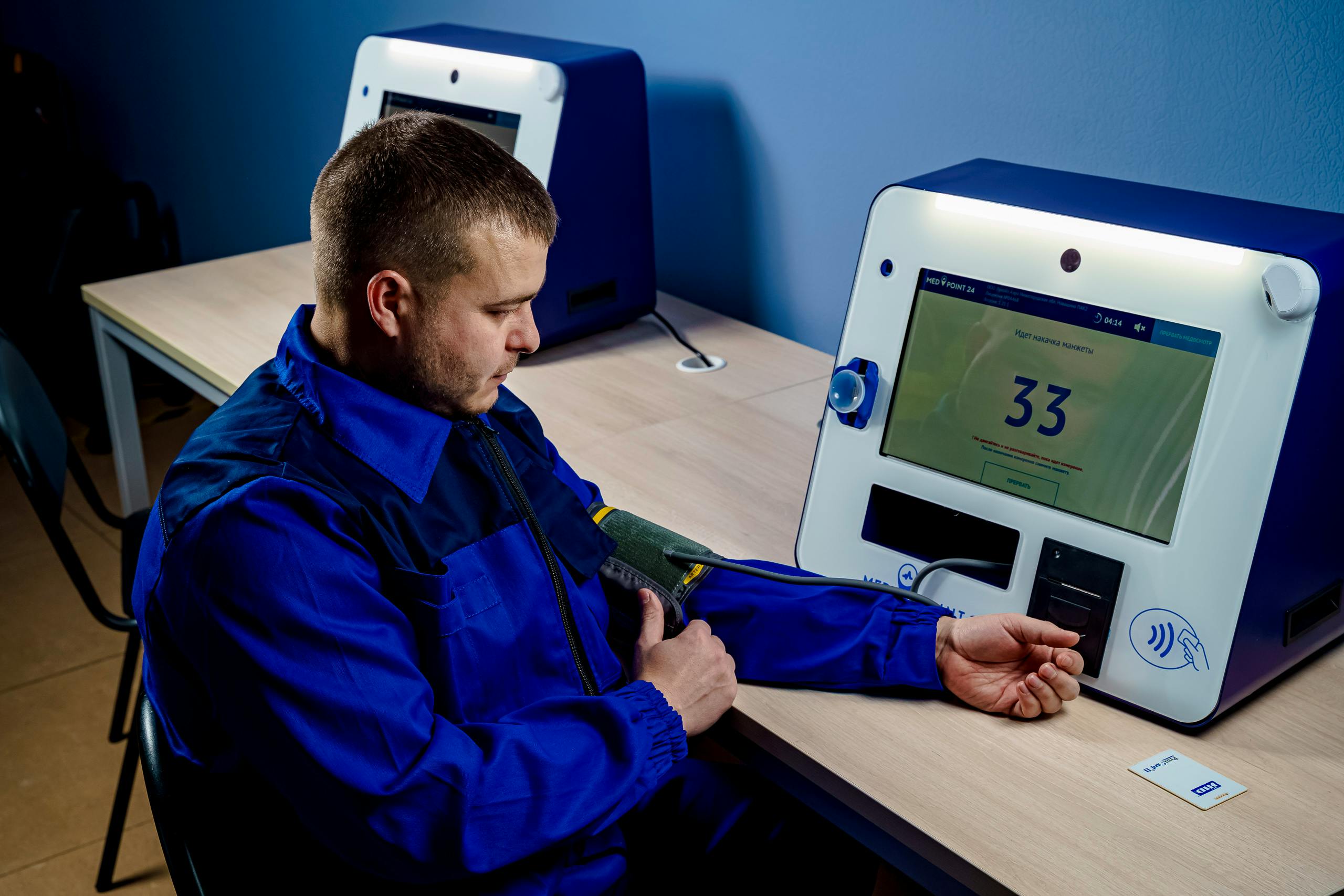
- Remote patient monitoring systems tracking vital signs continuously
💰 The Financial Case for Healthcare Automation
Healthcare organizations face relentless pressure to control costs while maintaining or improving care quality. Automation delivers measurable financial benefits that justify initial implementation investments. Studies indicate that healthcare automation can reduce administrative costs by up to 30%, representing billions in potential savings across the industry.
Administrative tasks consume approximately 25% of healthcare spending in many developed nations. By automating routine processes like appointment scheduling, insurance verification, and billing, healthcare facilities redirect these resources toward direct patient care. The return on investment typically materializes within 18-24 months of implementation, with ongoing savings accumulating year after year.
Beyond direct cost reduction, automation minimizes expensive errors. Medication errors alone cost healthcare systems billions annually, not to mention the immeasurable human suffering they cause. Automated medication dispensing and verification systems virtually eliminate these costly mistakes, protecting both patients and institutional finances.
Transforming Administrative Workflows
Administrative burden represents one of healthcare’s most persistent challenges. Physicians report spending nearly two hours on administrative tasks for every hour of direct patient care. This imbalance contributes significantly to professional burnout and reduces the number of patients that providers can see.
Automation revolutionizes these workflows through intelligent systems that handle routine tasks seamlessly. Appointment scheduling platforms now use AI to optimize provider schedules, reduce no-shows through automated reminders, and even predict optimal appointment lengths based on visit type and patient history.
Patient Registration and Check-In Revolution
Traditional patient registration involves tedious form-filling and manual data entry prone to errors. Automated check-in systems allow patients to complete registration on tablets or smartphones before arrival, with information automatically populating EHR systems. Facial recognition and biometric verification streamline identification while enhancing security.
Insurance verification, once requiring multiple phone calls and lengthy wait times, now occurs instantaneously through automated systems that connect with insurance databases in real-time. This eliminates coverage surprises and accelerates the billing process significantly.
🔬 Clinical Decision Support: AI as the Physician’s Assistant
Clinical decision support systems represent some of healthcare automation’s most promising applications. These sophisticated platforms analyze patient data against vast medical knowledge databases, alerting physicians to potential drug interactions, suggesting diagnostic possibilities, and recommending evidence-based treatment protocols.
Rather than replacing clinical judgment, these systems augment physician expertise. A cardiologist might review thousands of cases throughout their career, but an AI system can analyze millions of cardiac events, identifying subtle patterns that might escape human observation. When physician experience combines with AI-powered insights, diagnostic accuracy improves dramatically.
Machine learning algorithms now detect certain cancers in medical imaging with accuracy matching or exceeding specialist radiologists. These systems don’t replace radiologists but rather serve as a “second pair of eyes,” flagging potential concerns for closer human review. This collaborative approach catches more cases earlier when treatment is most effective.
Medication Management: Precision and Safety
Medication errors represent a leading cause of preventable patient harm. Automation addresses this challenge at multiple points in the medication delivery chain. Computerized physician order entry (CPOE) systems eliminate handwriting interpretation errors and automatically check for drug interactions, allergies, and appropriate dosing based on patient characteristics.
Automated dispensing systems in hospital pharmacies ensure accurate medication preparation, with barcode verification confirming the right medication reaches the right patient. Smart infusion pumps calculate precise dosing rates and alert staff to potential issues, preventing over or under-dosing of critical medications.
For patients managing chronic conditions at home, automated medication reminders and smart pill bottles track adherence, alerting healthcare providers when patients miss doses. This proactive monitoring enables early intervention before non-adherence leads to complications.
⚕️ Surgical Precision Through Robotic Systems
Robotic surgical systems exemplify how automation enhances rather than replaces human expertise. These sophisticated platforms translate surgeon movements into ultra-precise instrument manipulation, enabling minimally invasive procedures with enhanced visualization and control.
The benefits extend beyond technical precision. Smaller incisions mean reduced trauma, less pain, lower infection risk, and faster recovery times. Patients who might have faced weeks of hospitalization now return home within days. Healthcare systems benefit from reduced complication rates and shorter hospital stays, while patients enjoy faster return to normal activities.
Robotic systems also democratize access to surgical expertise. Telesurgery capabilities allow specialist surgeons to perform procedures remotely, bringing advanced surgical care to underserved regions lacking local expertise.
Remote Patient Monitoring: Care Beyond Hospital Walls
Healthcare automation extends far beyond hospital and clinic boundaries through remote patient monitoring technologies. Wearable devices and home monitoring systems continuously track vital signs, activity levels, and other health metrics, transmitting data to healthcare providers in real-time.
This continuous monitoring enables earlier detection of deteriorating conditions. A patient recovering from heart failure at home might show subtle signs of fluid retention days before experiencing breathing difficulties. Automated alerts notify care teams of concerning trends, enabling proactive intervention that prevents emergency room visits or hospital readmissions.
Chronic disease management particularly benefits from remote monitoring. Diabetes patients using continuous glucose monitors receive real-time feedback on how food, activity, and medication affect blood sugar levels. This immediate information loop enables better self-management and reduces long-term complications.
📊 Data Analytics: Transforming Information into Insights
Modern healthcare generates enormous data volumes, but raw data provides little value without analysis. Healthcare automation includes sophisticated analytics platforms that transform data into actionable insights for improving care delivery and operational efficiency.
Predictive analytics identify patients at high risk for specific conditions, enabling preventive interventions before problems develop. Hospitals use these tools to predict patient volumes, optimizing staffing levels to match demand. Supply chain analytics ensure critical supplies remain available without excess inventory costs.
Population health management relies heavily on automated data analysis to identify community health trends, target interventions effectively, and measure outcomes. Public health officials can track disease outbreaks in real-time, enabling faster response to emerging threats.
Addressing Implementation Challenges
Despite compelling benefits, healthcare automation implementation faces significant challenges. Legacy systems, regulatory requirements, resistance to change, and substantial upfront costs can impede adoption. Successful implementation requires careful planning, stakeholder engagement, and realistic expectations.
Interoperability: Breaking Down Data Silos
Healthcare data fragmentation represents a major obstacle to effective automation. Patient information scattered across incompatible systems prevents comprehensive analysis and coordinated care. Industry-wide efforts toward standardized data formats and interfaces are gradually addressing this challenge, but progress remains uneven.
Modern automation platforms prioritize interoperability, using standardized protocols to exchange information across diverse systems. This enables more complete patient records and more effective decision support tools.
Security and Privacy Considerations
Healthcare data sensitivity demands robust security measures. Automation systems must protect patient privacy while enabling appropriate information sharing. Encryption, access controls, audit trails, and compliance with regulations like HIPAA are non-negotiable requirements.
Cybersecurity threats evolve constantly, requiring ongoing vigilance and system updates. Healthcare organizations must balance security with usability, ensuring protection doesn’t impede clinical workflows or emergency access to critical information.
🎯 The Human Element: Automation Enhancing Rather Than Replacing
Healthcare automation anxiety often centers on job displacement fears. However, evidence suggests automation primarily eliminates tedious tasks rather than entire positions, freeing healthcare professionals for higher-value activities requiring human judgment, empathy, and expertise.
Nurses spending less time on documentation have more time for patient education, emotional support, and clinical assessment. Physicians freed from administrative burden can see more patients or spend more quality time with each individual. The healthcare workforce evolves rather than disappears, with roles shifting toward uniquely human capabilities.
Successful automation implementations include comprehensive training programs helping staff adapt to new workflows and technologies. Change management strategies address concerns, gather feedback, and continuously refine systems based on user experience.
Patient Experience: Technology Meeting Compassion
Patient satisfaction increasingly influences healthcare quality metrics and reimbursement. Automation enhances patient experience through reduced wait times, improved communication, and more personalized care.
Patient portals provide 24/7 access to health records, test results, and secure messaging with providers. Automated appointment reminders with easy rescheduling options reduce missed appointments. Chatbots answer routine questions instantly, while complex concerns route to appropriate human staff.
Personalization reaches new levels as automation analyzes individual preferences, communication styles, and health literacy levels, tailoring information delivery accordingly. Treatment plans consider patient-specific factors beyond clinical data, incorporating lifestyle, preferences, and personal goals.
🌍 Global Health: Democratizing Access Through Automation
Healthcare automation holds particular promise for addressing global health disparities. Telemedicine platforms bring specialist consultations to remote areas lacking local expertise. AI diagnostic tools deployed on smartphones enable community health workers to detect conditions requiring referral.
Automated translation services break down language barriers in multicultural settings. Supply chain automation ensures essential medications and supplies reach underserved populations reliably. These technologies won’t solve all access challenges, but they represent powerful tools for reducing healthcare inequity.
The Road Ahead: Emerging Automation Frontiers
Healthcare automation evolution accelerates as technologies mature and converge. Artificial intelligence capabilities expand rapidly, with natural language processing enabling more sophisticated clinical documentation and decision support. Quantum computing promises to revolutionize drug discovery and genomic analysis.
Blockchain technology may solve interoperability challenges while enhancing security and patient control over health information. Internet of Medical Things (IoMT) devices proliferate, creating increasingly comprehensive health monitoring ecosystems. Virtual and augmented reality applications transform medical education and surgical planning.
The next decade will likely see automation permeate every healthcare aspect, from drug development to end-of-life care. The institutions embracing these changes thoughtfully while maintaining human-centered care will define healthcare’s future standard.
🚀 Building a Smarter Healthcare System
Healthcare automation represents far more than technological novelty. It addresses fundamental challenges facing healthcare systems worldwide: rising costs, provider burnout, quality variability, and access limitations. By automating routine tasks, enhancing decision-making, and enabling new care delivery models, these technologies create space for healthcare to fulfill its fundamental mission more effectively.
Success requires balancing technological capability with human wisdom. The most effective automation implementations recognize that technology serves as a tool amplifying human capabilities rather than replacing human judgment. Healthcare will always require compassion, ethical reasoning, and interpersonal connection that no algorithm can replicate.
As we continue revolutionizing healthcare through automation, the goal remains constant: improving patient outcomes while making healthcare more accessible, affordable, and sustainable. The technology enables this vision, but committed healthcare professionals, engaged patients, and thoughtful policymakers must guide implementation toward truly patient-centered care.
The healthcare automation revolution has begun, and its impact will only accelerate. Organizations and professionals embracing these changes while maintaining focus on patient wellbeing will shape a healthcare system that is not only more efficient but fundamentally more effective at its core purpose: healing and caring for people when they need it most.