The rapid advancement of artificial intelligence is reshaping the professional landscape at an unprecedented pace, forcing workers worldwide to rethink their career strategies and skill development approaches.

🤖 Understanding the AI Revolution in the Workplace
Artificial intelligence has moved beyond science fiction into boardrooms, factories, and home offices. The technology that once seemed distant is now automating tasks, analyzing data, and making decisions that traditionally required human intelligence. This transformation isn’t coming—it’s already here, affecting industries from manufacturing to creative services.
The World Economic Forum estimates that by 2025, automation and AI could displace 85 million jobs while simultaneously creating 97 million new roles. This net positive obscures a critical reality: the jobs being created require vastly different skills than those being eliminated. Workers caught in this transition face a choice between adaptation and obsolescence.
Understanding AI’s capabilities helps demystify the threat. Machine learning excels at pattern recognition, data processing, and repetitive tasks. It struggles with creativity, emotional intelligence, complex problem-solving in novel situations, and ethical reasoning. Your career resilience depends on developing skills that complement rather than compete with AI.
💼 Industries Experiencing the Greatest Disruption
Not all sectors face equal AI impact. Some industries are experiencing wholesale transformation while others see modest changes. Recognizing where your field stands on this spectrum informs your adaptation strategy.
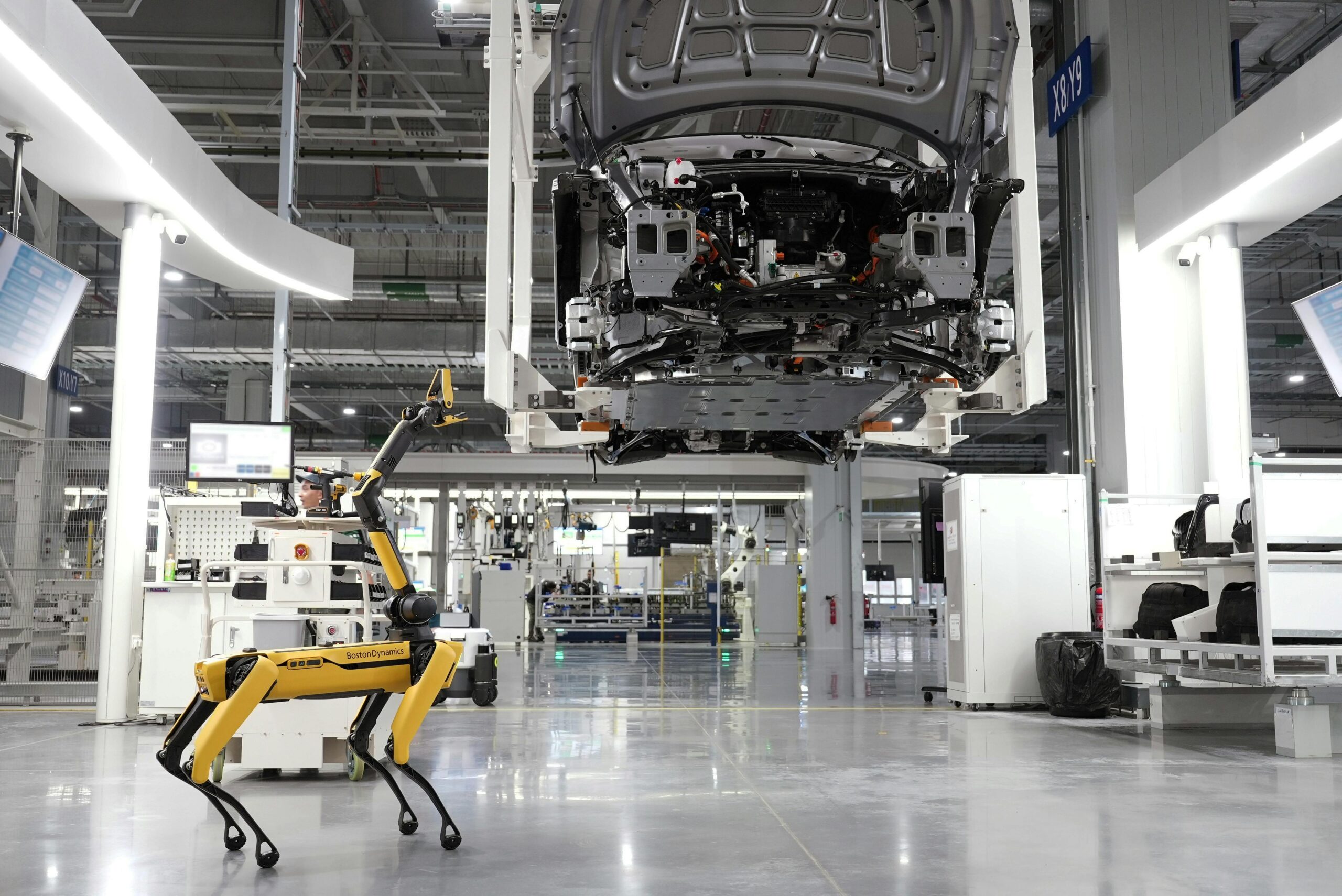
Manufacturing and logistics have already witnessed significant automation. Robots handle assembly lines, while AI optimizes supply chains with superhuman efficiency. Transportation faces imminent disruption as autonomous vehicles mature. Truck drivers, taxi operators, and delivery personnel must consider alternative career paths or transitional roles.
The financial services sector has embraced AI for fraud detection, algorithmic trading, and customer service chatbots. Entry-level positions in data entry, basic analysis, and customer support are rapidly diminishing. However, relationship management, complex financial planning, and strategic advisory roles remain firmly human domains.
Healthcare presents a nuanced picture. AI excels at diagnostic imaging analysis and drug discovery acceleration, but the human elements of patient care—empathy, communication, and holistic treatment planning—remain irreplaceable. Medical professionals who combine clinical expertise with AI literacy will thrive.
Even creative industries aren’t immune. AI generates artwork, writes basic content, and composes music. Yet truly original creative vision, cultural commentary, and emotionally resonant storytelling remain distinctly human capabilities. Creative professionals must focus on these higher-order skills while using AI as a productivity tool.
🎯 Building Your AI-Resistant Skill Portfolio
Career resilience in the AI age requires strategic skill development. Focus on capabilities that leverage your humanity while complementing technological strengths.
Critical Thinking and Complex Problem-Solving
AI handles well-defined problems with clear parameters exceptionally well. It falters when confronting ambiguous situations requiring judgment, context awareness, and ethical considerations. Develop your ability to analyze complex situations, identify underlying issues, and craft innovative solutions. This involves questioning assumptions, synthesizing information from diverse sources, and thinking systematically about interconnected challenges.
Emotional Intelligence and Interpersonal Skills
As routine tasks become automated, human work increasingly centers on relationships. Emotional intelligence—understanding and managing your emotions while empathizing with others—becomes a premium skill. Practice active listening, conflict resolution, and collaboration. Leadership roles that inspire teams, negotiate stakeholder interests, and build organizational culture will remain human-centric.
Creativity and Innovation
True creativity involves connecting disparate ideas, challenging conventions, and generating novel solutions to unprecedented problems. While AI can recombine existing patterns, breakthrough innovation requires the human capacity for imagination and risk-taking. Cultivate your creative thinking through diverse experiences, cross-disciplinary learning, and experimentation.
Adaptive Learning and Digital Literacy
Perhaps the most critical skill is learning itself. Technology evolves faster than any curriculum can accommodate. Develop meta-learning abilities—learning how to learn efficiently. This includes information filtering, rapid skill acquisition, and comfortable experimentation with new tools. Digital literacy extends beyond using software to understanding how technology works, its limitations, and its societal implications.
📚 Continuous Learning Strategies That Actually Work
Acknowledging the need for lifelong learning differs from implementing it effectively. Many professionals struggle to maintain learning momentum amid work and personal demands.
Adopt a portfolio approach to learning. Instead of pursuing lengthy credentials with uncertain relevance, build diverse micro-competencies. Online platforms like Coursera, edX, and LinkedIn Learning offer flexible courses spanning technical and soft skills. Dedicate consistent time—even 30 minutes daily—rather than sporadic marathon sessions.
Project-based learning accelerates skill development. Theoretical knowledge without application quickly fades. Undertake projects that stretch your capabilities slightly beyond your current skill level. Document your learning process publicly through blogs, portfolios, or social media to reinforce knowledge and build visibility.
Peer learning communities provide accountability and diverse perspectives. Join professional associations, online forums, or local meetups related to your field. Teaching others crystallizes your understanding while expanding your network. Consider mentoring relationships in both directions—mentoring those behind you while seeking guidance from those ahead.
Formal education still holds value for significant career pivots. Specialized master’s degrees, professional certifications, and bootcamps provide structured learning and credentialing. However, evaluate programs carefully for industry alignment, practical focus, and return on investment before committing substantial time and money.
🔄 Strategic Career Pivoting in Uncertain Times
Sometimes adaptation means staying in your field with upgraded skills. Other times, it requires complete reinvention. Recognizing which path suits your situation prevents wasted effort.
Assess your transferable skills honestly. Accountants possess analytical capabilities applicable to data science. Teachers have communication skills valuable in corporate training or content creation. Customer service representatives understand human psychology useful in user experience design. Identify the underlying competencies in your current role that translate across industries.
Research emerging occupations within your sphere of competence. Labor market analytics reveal growing fields before they reach saturation. Roles like AI ethics specialist, sustainability coordinator, or prompt engineer didn’t exist five years ago. Position yourself at the intersection of established expertise and emerging needs.
Transitional roles bridge current capabilities and future goals. Rather than quantum leaps into entirely unfamiliar territory, take calculated steps. A graphic designer might transition through web design to UI/UX before specializing in augmented reality interfaces. Each step builds credentials while maintaining income stability.
Geographic and modality flexibility expand opportunities. Remote work has decoupled job location from residence for many professions. Consider international opportunities, distributed organizations, or freelance arrangements that weren’t previously accessible. This flexibility also enables gradual transitions through part-time or project-based work in new fields.
🛡️ Creating Multiple Income Streams for Security
Traditional career stability—one employer, steady progression, reliable pension—has largely vanished. Creating multiple income streams provides financial resilience and reduces vulnerability to industry disruption.
Side projects complement full-time employment while testing potential pivot directions. These might include consulting, freelancing, content creation, or small business ventures. Start small with minimal investment to validate concepts before significant commitment. Diversified income sources buffer against job loss while providing learning opportunities.
Passive income streams require upfront effort but generate ongoing returns. Digital products like online courses, ebooks, or templates leverage your expertise scalably. Investment income from diversified portfolios provides financial cushioning. Rental income from property or equipment creates additional cash flow. While none replace employment income immediately, collectively they build financial independence.
The gig economy offers flexibility but lacks traditional employment benefits. Platforms connecting freelancers with clients have democratized access to work across borders. However, managing inconsistent income, providing your own benefits, and competing on global platforms presents challenges. Treat gig work strategically—as income diversification or transition tool rather than sole livelihood unless you’ve built substantial reputation and client base.
🤝 Leveraging AI as Your Career Ally
Rather than viewing AI exclusively as a threat, successful professionals are adopting it as a productivity multiplier and capability enhancer.
AI-powered tools accelerate routine tasks across professions. Writers use language models to overcome creative blocks and draft initial content. Designers employ generative tools for rapid prototyping. Programmers leverage code completion and debugging assistants. Analysts use machine learning for pattern detection in massive datasets. Mastering these tools doesn’t diminish your value—it amplifies your productivity.
Understanding AI limitations creates opportunities. Knowing what AI cannot do well—contextual understanding, ethical judgment, genuine creativity—allows you to position yourself in complementary roles. Become the professional who interprets AI outputs, provides strategic direction, or handles exceptions requiring human judgment.
AI literacy should be fundamental across professions. This doesn’t require programming expertise but understanding basic concepts—how machine learning works, what training data means, where algorithmic bias originates. This literacy enables more informed decisions about tool adoption, better collaboration with technical teams, and identification of AI application opportunities in your domain.
🌐 Building a Future-Proof Professional Network
Your network increasingly determines career resilience. Strong professional relationships provide opportunity awareness, skill development, emotional support, and potential collaboration.
Cultivate diverse connections across industries, seniority levels, and geographic locations. Homogeneous networks perpetuate groupthink and limit opportunity awareness. Actively seek perspectives from different fields—interdisciplinary insights often spark innovation. Maintain relationships with former colleagues, classmates, and professional acquaintances through periodic check-ins without transactional motives.
Digital platforms amplify networking reach but require strategic use. LinkedIn enables connection with thought leaders and discovery by opportunities. Twitter facilitates engagement with industry conversations. Professional Slack communities or Discord servers provide real-time collaboration spaces. However, online networking complements rather than replaces face-to-face relationship building through conferences, meetups, and informal gatherings.
Offer value before requesting favors. Share relevant articles, make introductions between contacts, provide feedback on projects, or contribute expertise to others’ challenges. Reciprocal relationships build stronger networks than transactional ones. Your reputation as someone who adds value attracts opportunities and collaboration.
💪 Developing Psychological Resilience for Career Uncertainty
Technical skills and strategic planning matter little without the mental fortitude to navigate inevitable setbacks and uncertainty.
Reframe career disruption as opportunity rather than catastrophe. While job displacement creates genuine hardship, it also forces skill development and career exploration you might otherwise postpone. Growth mindset—believing abilities can be developed through effort—correlates strongly with successful career adaptation. Treat setbacks as learning experiences rather than permanent failures.
Manage anxiety through action and perspective. Career uncertainty triggers legitimate stress, but rumination without action amplifies anxiety. Break overwhelming challenges into manageable steps with clear next actions. Maintain perspective by connecting with others facing similar transitions—you’re navigating systemic economic shifts, not personal inadequacy.
Physical health directly impacts career resilience. Stress, irregular sleep, and poor nutrition undermine decision-making, learning capacity, and emotional regulation. Prioritize exercise, adequate sleep, and healthy eating despite busy schedules. These aren’t luxuries but foundational elements of sustained professional performance.
Financial preparation reduces anxiety and expands options. Emergency funds covering 3-6 months of expenses provide buffer during transitions. Reducing debt increases flexibility to accept lower-paying roles in new fields or invest in education. Financial security enables risk-taking necessary for career evolution.
🚀 Taking Action Today for Tomorrow’s Opportunities
Understanding AI’s impact means nothing without implementation. Specific, immediate actions transform abstract concerns into concrete career development.
Conduct a personal skills audit this week. List your current capabilities, honestly assess their automation vulnerability, and identify gaps relative to your desired career trajectory. Use labor market analytics tools to research growing occupations aligned with your interests and transferable skills. This assessment creates your development roadmap.
Commit to one micro-learning goal monthly. This might mean completing an online course, reading industry publications, attending a workshop, or building a small project. Consistency matters more than intensity—modest but regular skill development compounds over time. Track your progress to maintain motivation and document growth.
Update your professional presence quarterly. Refresh your LinkedIn profile with new skills and accomplishments. Contribute to online discussions in your field. Share insights through articles or social media. Attend industry events. Professional visibility creates opportunity before you actively seek it.
Begin income diversification experiments immediately, even minimally. Start a small side project, explore freelance opportunities, or investigate passive income possibilities. These experiments cost little but provide invaluable learning about alternative income models. Early experimentation identifies viable paths before financial pressure demands immediate results.

🌟 Embracing the Human Advantage in an AI World
The narrative of AI displacement often obscures a fundamental truth: technology amplifies rather than replaces human capability when strategically applied. Your uniquely human attributes—creativity, empathy, ethical reasoning, and adaptive intelligence—become more valuable as routine tasks automate.
The professionals thriving amid AI disruption aren’t necessarily the most technically sophisticated or those resisting change. They’re the ones embracing continuous learning, building diverse skill portfolios, leveraging technology strategically, and cultivating distinctly human capabilities that complement artificial intelligence.
Your career future isn’t predetermined by technological trends but shaped by today’s choices. The disruption occurring across industries creates genuine challenges but also unprecedented opportunities for those willing to adapt, learn, and grow. Future-proofing your career isn’t about predicting specific technological developments—it’s about building the resilience, versatility, and human skills that remain valuable regardless of how technology evolves.
The digital age demands career strategies as dynamic as the technology transforming our work. By understanding AI’s trajectory, developing complementary skills, embracing continuous learning, and leveraging your unique human capabilities, you position yourself not just to survive but to thrive amid ongoing disruption. The future belongs to those who view change as opportunity and invest consistently in their adaptive capacity.